Do I Need a Probate Attorney as Executor Georgia Explained
Mastering the Probate Process: Why You Need a Skilled Probate Lawyer
Managing the probate process can be challenging for many families. Legal complexities, emotional turmoil, and potential disputes among heirs often arise. A qualified probate lawyer plays a vital role in guiding families through these difficulties. Their expertise confirms that state laws are adhered to and the estate is administered smoothly. Comprehending the details of this process is critical, as the right legal support can greatly impact the final resolution. What factors should families evaluate when selecting the right attorney?
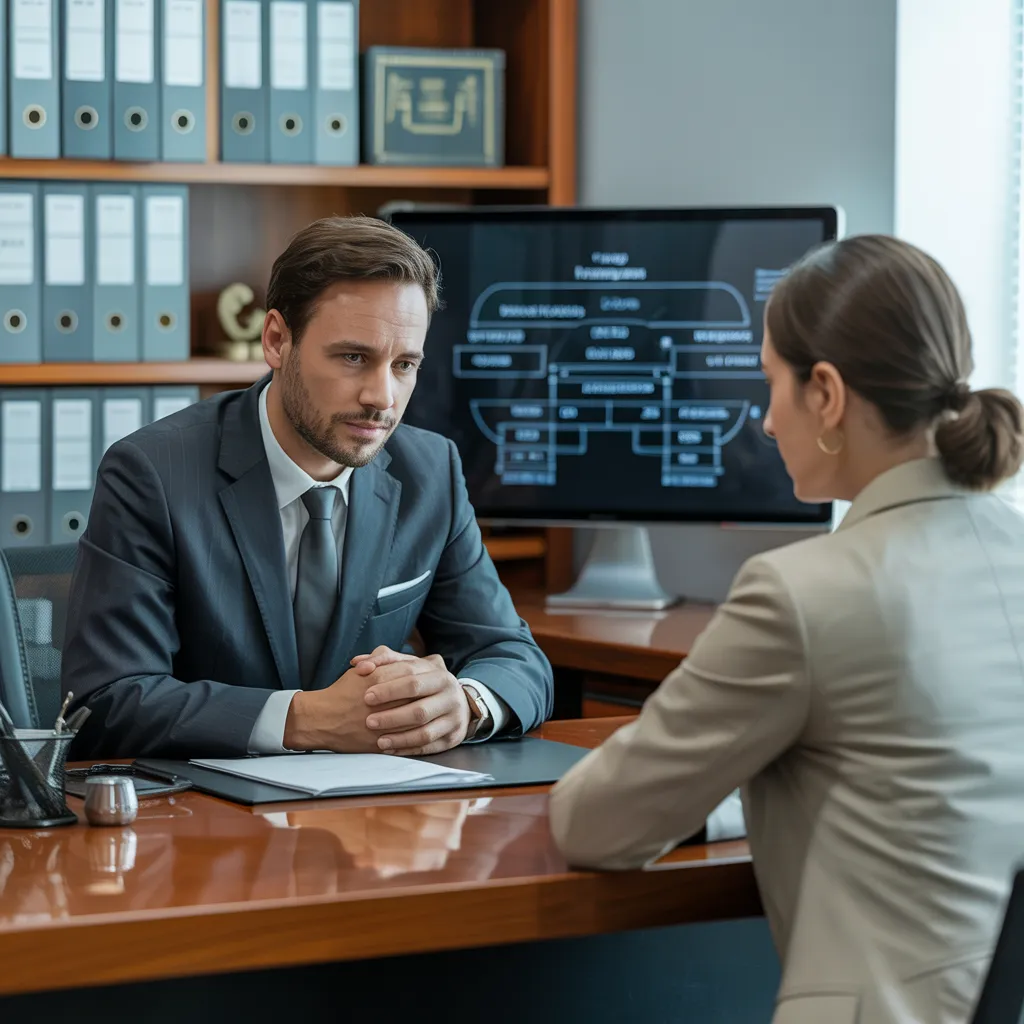
Understanding Probate: What You Need to Know
Understanding probate is crucial for anyone managing the estate of a loved one who has passed, as this legal procedure confirms that assets are distributed according to the intentions of the departed. The probate process involves validating the decedent's will, should one exist, and overseeing the handling of the estate. This process generally involves filing necessary documents with the court and alerting heirs and creditors.
The probate court guarantees that outstanding debts are paid before assets are divided, providing a transparent framework for overseeing the estate of the deceased. Depending on the jurisdiction, the probate process can vary in complexity and duration. Factors such as the scale of the estate, the inclusion of a will, and any disputes among heirs can impact the process. Recognizing these factors is essential for both executors and beneficiaries, as it helps them navigate potential challenges and ensures adherence to legal obligations throughout the probate process.
The Key Benefits of Retaining a Professional Probate Attorney
Employing a qualified probate lawyer presents significant merits during the probate process. Their knowledge in the legal process can lessen stress and uncertainty for households navigating this complex time. Furthermore, a proficient attorney provides a more streamlined distribution of assets, accelerating what can often be a complex process.
Proficiency In Legal Procedures
Managing the intricacies of probate can be overwhelming, especially for those unacquainted with the legal process. Retaining a skilled probate lawyer offers essential knowledge and skill, ensuring that all legal procedures are followed meticulously. These experts are highly knowledgeable in state laws, court rules, and documentation requirements, which can vary significantly. Their knowledge allows them to anticipate potential issues, reducing delays and eliminating costly mistakes. Additionally, a competent probate lawyer can clearly correspond with all parties involved, from beneficiaries to creditors, promoting more efficient communication. Their experience in maneuvering complex cases prepares them to handle disputes or challenges efficiently. Ultimately, hiring a seasoned probate lawyer not only streamlines the process but also improves the likelihood of a favorable outcome.
Decreased Stress And Confusion
Often, people going through the probate process endure significant anxiety and uncertainty. The difficulties of legal requirements, paperwork, and court procedures can overwhelm those already mourning the loss of a loved one. A experienced probate lawyer reduces this burden by supplying expert direction throughout the entire process. They recognize the nuances of probate law and can expertly navigate any legal complications that arise. By managing deadlines, preparing essential documents, and corresponding with all involved, jump in a probate lawyer effectively reduces anxiety and uncertainty. This knowledgeable support empowers individuals to prioritize their personal matters and emotional well-being, rather than struggling with bureaucratic procedures. Ultimately, working with a probate lawyer ensures a more manageable experience during an emotionally trying time.
Efficient Asset Distribution Process
An experienced probate lawyer serves a critical function in ensuring an efficient asset distribution process. Their proficiency facilitates the swift identification and valuation of assets, which is vital for timely resolution. By traversing complex legal requirements, they assist in preventing setbacks that can result from conflicts or disagreements among beneficiaries. A qualified attorney also encourages dialogue among beneficiaries, reducing potential conflicts and making certain all parties are updated. Additionally, they can expedite the necessary paperwork, allowing for a smoother shift of assets. Ultimately, retaining a probate attorney not only streamlines the distribution process but also safeguards the interests of the decedent's wishes, providing a clear path for beneficiaries to follow during a difficult time.
Primary Obligations of a Probate Attorney
Probate attorneys serve a vital function in supporting families through the challenges of the probate process. Their principal obligation is to assist with the handling of a deceased person's estate, making certain all legal obligations are fulfilled. This includes submitting required legal documents, such as the probate petitions and the will, and acting on behalf of the estate in legal hearings.
In addition, probate lawyers support assessing and documenting assets, addressing financial obligations, and ensuring that beneficiaries receive their rightful inheritances. They offer legal guidance to executors and administrators, guiding them through their legal responsibilities and address any arising disagreements among beneficiaries.
Moreover, such attorneys oversee tax concerns related to the estate, guaranteeing adherence to relevant laws. By managing these tasks, probate counsel help to alleviate stress for families during a challenging time, enabling them to concentrate on healing instead of legal complexities. Their knowledge and skill are essential for a seamless and effective probate process.
Key Challenges in the Probate Process
Despite having professional probate legal assistance, families regularly come across numerous obstacles in the course of probate administration. A notable concern is the intricate nature of state regulations, which may diverge considerably from state to state and complicate the administration of the estate. Additionally, disagreements may develop between beneficiaries concerning the meaning of the will's provisions or the distribution of assets, giving rise to disputes that may extend the timeline.
An additional obstacle is the need for thorough documentation, as incomplete or missing records can cause significant setbacks. Those handling the estate often face difficulties with overseeing outstanding debts and tax obligations, which have to be addressed before beneficiaries receive their share. Moreover, emotional stress during this time can impair decision-making abilities, impacting decision-making. To conclude, navigating probate can take considerable time, frequently spanning months to several years, which can impose considerable economic pressure on the estate and its heirs.
How a Probate Lawyer Addresses Common Challenges
Probate attorneys play an essential role in managing intricate legal matters that can often challenge individuals. They also assist in settling family disputes, ensuring that the probate process is handled as efficiently as possible. By addressing these common challenges, probate legal professionals help to minimize stress for clients during a difficult time.
Navigating Complex Legal Procedures
Navigating the intricate landscape of legal procedures can intimidate even the most organized individuals. Probate encompasses a multitude of forms, deadlines, and regulations that can be intimidating. A seasoned probate lawyer functions as a key guide, adeptly navigating these intricacies. They ensure that all necessary documents are correctly completed and submitted on time, limiting the risk of delays. Moreover, they are adept at interpreting state-specific probate laws, which can vary considerably. This expertise helps eliminate costly mistakes and ensures compliance with legal requirements. By handling procedural challenges proactively, a probate lawyer alleviates the stress on executors and beneficiaries, permitting them to devote their attention to honoring their loved one's legacy while ensuring a more efficient probate process.
Resolving Family Disputes Effectively
How do families successfully manage disagreements that arise during the probate process? Working with an experienced probate attorney can significantly reduce tensions and improve communication between family members. These specialists bring the competence needed to address legal challenges and deliver objective counsel, working to shed light on concerns such as the division of assets and the legitimacy of the will.
Estate lawyers commonly oversee discussions, ensuring all voices are heard while centering attention on the departed's objectives. Such attorneys work to establish mutual agreement, diminishing the chances of prolonged disputes. Additionally, they can educate families about their rights and obligations, cultivating a collaborative environment. By addressing potential disputes early, probate lawyers not only expedite the process but also reduce the emotional toll, allowing families to move forward with greater harmony and understanding.
How to Find the Ideal Probate Lawyer
Selecting the most suitable probate lawyer can substantially impact the outcome of handling estate matters. Individuals should commence by seeking recommendations from trusted sources, such as relatives or acquaintances who have navigated probate challenges. Examining digital reviews and client feedback can offer valuable information about a counsel's expertise and reputation.
It is crucial to assess the lawyer's experience specifically in probate law, as this specialization can greatly influence the process. Potential clients should inquire about the lawyer's familiarity with local probate courts and procedures, as familiarity with the local legal landscape can be beneficial.
Arranging a preliminary meeting enables clients to gauge the lawyer's interpersonal skills and client management philosophy. In the course of this discussion, addressing costs and billing arrangements is essential to prevent future confusion. Ultimately, selecting a probate attorney who exhibits both expertise and understanding is crucial for navigating the intricacies of probate proceedings successfully.
Probate Law FAQs
What common questions emerge when people face the probate process? Many people look for answers on how long probate generally takes, which may fluctuate greatly based on the complexity of the estate and regional regulations. Some inquire about the expenses associated with probate, encompassing court-related charges and attorney fees, which can add up considerably over the course of the process.
Many people often question whether the probate process is inevitable; in some cases, assets can be transferred without it, especially if they are held in trust or have designated beneficiaries. Additionally, questions about the role of the executor arise, as people seek clarity on their duties and possible legal obligations.
Questions about challenging a will often arise, as beneficiaries may wish to know the grounds for contesting and the likelihood of success. Ultimately, many ask questions about how assets will be divided, wanting to understand the process and timeline for receiving their inheritance. Addressing these FAQs can demystify the probate process considerably.
Common Questions and Answers
What Is the Typical Duration of the Probate Process?
The probate procedure generally takes six months to a year, based on the estate's complexity, the governing jurisdiction, and whether disputes arise. Delays may occur as a result of documentation issues, creditor claims, or familial disagreements.
Can Probate Be Avoided Altogether?
Probate is frequently avoidable through strategies like establishing trusts, designating beneficiaries, or joint ownership of assets. These methods allow for smoother transfers of wealth without the need for formal probate proceedings, providing significant benefits to heirs.
What Are the Costs Associated With Probate?
The costs associated with probate commonly include court filing fees, legal fees, executor compensation, and property appraisal costs. Such expenses may differ considerably depending on the estate's complexity, the jurisdiction, and whether disputes arise among beneficiaries or creditors.
How Can I Contest a Will During Probate?
To challenge a will in probate, a person is required to file an official objection in court, presenting evidence of undue influence, lack of capacity, or improper execution. The guidance of legal counsel is frequently necessary to manage this intricate process successfully.
What Takes Place if a Person Dies Without a Will
In the event that someone passes away without a will, their estate is regarded as an intestate estate. Applicable state laws regulate the division of assets, generally favoring spouses and children, while courts assign an administrator to manage the probate process.